
Effect Seine-Scheldt on inland shipping
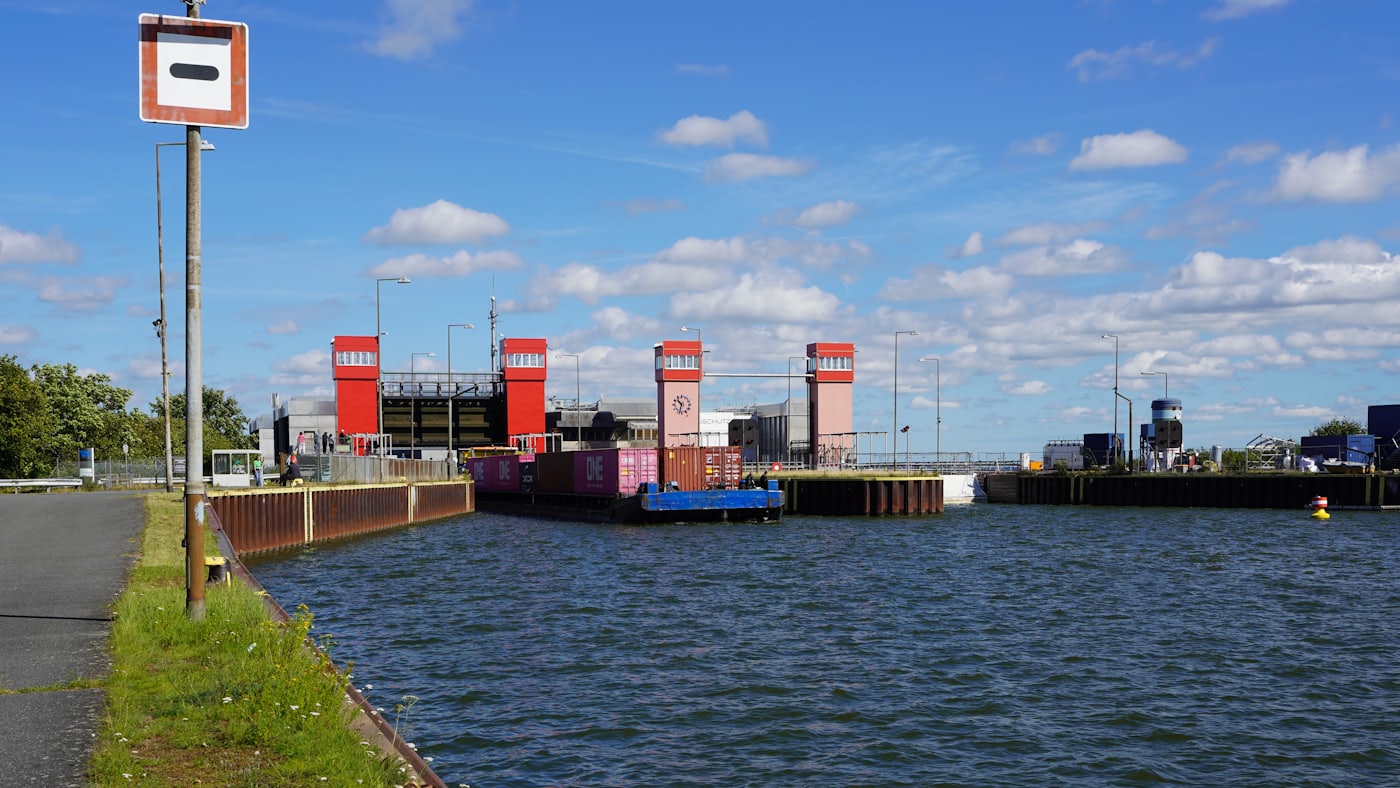
The TEN-T Seine-Scheldt project will allow larger inland vessels (up to 190 x 11.4 metres) to travel between France (Paris, Le Havre), the Benelux (Ghent, Antwerp, Rotterdam) and on to Germany (the Ruhr region, Hamburg). As part of the project a new canal (Seine Nord) is being realized in the north of France, and existing Belgian waterways such as the Leie are being upgraded.
We modelled both the Seine Nord canal and the upgraded Belgian waterways in the inland shipping analysis tool BIVAS, and developed a methodology to study and isolate the effect on cost per tonne of transported freight. The methodology includes the expected shift to larger ships.
The methodology can be applied as part of a more extensive study on the effect of the new Seine-Scheldt connection on the modal split (rail, train, ship). It has been developed, tested and validated for this purpose, commissioned by Rijkswaterstaat (Dutch Ministry of Infrastructure and Water Management).
We have chosen a general methodology that can be fitted to other transport questions regarding the effect of a network extension on costs (in terms of distance, travel time, €, …). The key feature is that the developed methodology also considers scaling up to larger and possibly more efficient transport options.